
The Nature of Luck in Gambling
Luck is often perceived as a random force that plays a critical role in casino games. In many cases, such as slot machines and roulette, players rely heavily on chance, hoping that luck will be on their side. The concept of luck varies from person to person; some consider themselves lucky, while others feel they are perpetually unlucky. This belief can significantly affect how individuals approach their gambling experience, influencing not just their choices but also their emotional responses during gameplay. For those seeking the best online casino australia , the thrill of gambling lies in the unpredictability that luck introduces, adding an element of excitement that can be addictive.
Psychologically speaking, the perception of luck can lead to what is known as the “gambler’s fallacy,” where players believe that previous outcomes will affect future ones. For instance, after several losses on a particular slot machine, a player may feel that a win is “due” and subsequently invest more money, driven by the hope that luck will turn in their favor. This phenomenon highlights how one’s belief in luck can dramatically shape betting behavior and decisions in a casino environment. The desire to break even or win back losses can lead to a cycle of chasing luck that often results in greater losses.
Furthermore, the randomness inherent in casino games serves to bolster the intrigue around luck. Some gamblers even develop personal rituals or superstitions, such as wearing specific clothing or following particular routines, all in the hope of attracting good fortune. These practices illustrate how deeply the belief in luck is woven into the fabric of gambling culture, making it an essential aspect of the overall casino experience. The rituals may range from rubbing a lucky charm to following a specific path through the casino, all reflecting the personal significance players assign to luck.
The Role of Skill versus Luck
In the world of gambling, the debate between skill and luck is ongoing. Games like poker or blackjack are often seen as requiring a degree of skill, which means players can influence outcomes based on their strategies, knowledge, and experience. Conversely, games like slots or keno are predominantly luck-based, where the outcomes are entirely determined by chance. This distinction is crucial for understanding how players perceive their experiences and the role luck plays in them. The perception of skill can provide a false sense of security, leading players to believe they can consistently outperform luck.
Skilled players in strategic games often regard luck as a factor that can fluctuate but is not the sole determinant of success. For example, a seasoned poker player can read opponents and make calculated bets, but they still need a favorable hand to maximize their winnings. In this sense, luck and skill coexist, as players rely on their expertise while being subject to the unpredictable nature of chance. The duality of skill and luck creates a dynamic that can make gambling both a challenge and a thrill, as players attempt to master their craft while navigating the inherent unpredictability.
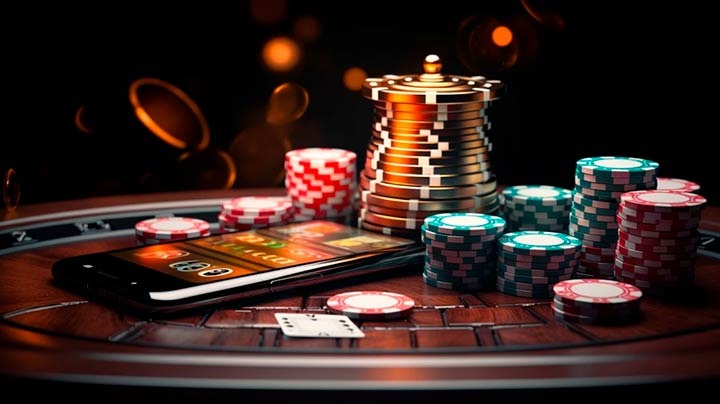
This dynamic can create a false sense of control among gamblers; skilled players may attribute their wins predominantly to their abilities while downplaying the influence of luck. However, even the most accomplished gamblers experience the whims of fate, reminding us that luck, whether favoring or hindering, is an inherent part of the casino experience that cannot be overlooked. The balance between skillful play and reliance on luck means that every session at the table is a unique blend of strategic maneuvering and chance occurrence.
The Psychological Impact of Luck on Players
The belief in luck can have profound psychological effects on gamblers. Those who consider themselves lucky may experience increased confidence, leading to bolder bets and risk-taking behavior. This confidence can be a double-edged sword; while it may lead to significant wins, it can also result in reckless decisions that lead to losses. Conversely, players who feel unlucky might approach gambling with trepidation, potentially limiting their engagement and enjoyment. This psychological dynamic can create a cyclical pattern that reinforces the belief in luck and its impact on the gaming experience, where wins lead to confidence, and losses induce fear.
Additionally, the environment in a casino can amplify feelings of luck. The bright lights, cheerful sounds, and even the presence of other enthusiastic players can create an exhilarating atmosphere that fosters a belief in luck. When players witness others winning, even if they have not won themselves, the shared excitement can influence their belief that luck is circulating throughout the venue. This communal experience can lead to a contagious optimism, making players feel like they are part of a larger narrative where luck is abundant and accessible.
Social interactions in casinos further enhance perceptions of luck. Gamblers often share stories of their greatest wins and near-misses, fostering a communal sense of hope and belief in luck. The camaraderie found in these narratives can create a sense of identity among players, where luck becomes a shared experience that binds the community together, ultimately enriching the overall casino adventure. These shared stories not only bolster individual beliefs in luck but also contribute to the collective consciousness of luck in the gambling world.
Strategies for Embracing Luck in Casinos
While luck remains an unpredictable force, players can still adopt strategies that enhance their casino experience. Acknowledging the role of luck while developing a balanced approach can help gamblers maintain a positive mindset. For instance, setting limits on spending and time can prevent emotional attachments to losses, allowing players to enjoy the gambling experience without the burden of chasing luck. By establishing these boundaries, players can cultivate a healthier relationship with gambling, seeing it as a form of entertainment rather than a means to financial gain.

Another effective strategy is to diversify gaming options. By participating in a variety of games, players can experience different outcomes and manage their expectations. Engaging in luck-based games offers excitement and a sense of thrill, while skill-based games allow for strategic engagement. This blend can help players feel as though they are making the most out of both luck and skill, enriching the overall experience. By exploring various games, players can find where their luck seems to shine the brightest, enhancing their enjoyment.
Finally, adopting a playful attitude towards gambling can empower individuals to embrace luck without losing their enjoyment of the games. Viewing each spin or deal as an opportunity, irrespective of the outcome, can promote a healthier gambling mindset. By appreciating both the uncertain nature of luck and the entertainment value of the experience, players can create an enjoyable and memorable casino journey. This mindset encourages players to celebrate small wins and enjoy the thrill of the game itself, rather than focusing solely on the end result.
Exploring Online Casino Experiences
In today’s digital age, online casinos offer an alternative way for players to engage with luck and gaming. The online environment replicates many features of physical casinos, including the thrill of chance, yet it also provides unique opportunities for players to interact with luck differently. Players can access an array of games from the comfort of their homes, tailoring their casino experience to their preferences. This convenience allows for a more relaxed and personalized approach to gambling, where players can take breaks and manage their time effectively.
Online platforms often include features such as bonus rounds, free spins, and loyalty programs, which can enhance the role of luck. These bonuses create additional opportunities for players to engage with games without the risk of significant losses. Therefore, the online casino experience can leverage luck in a way that encourages responsible gambling while still providing excitement and engagement. The allure of these bonuses can also create a sense of optimism, as players feel that their chances of winning might be enhanced through these offerings.
Additionally, the technological aspects of online casinos, like random number generators, ensure that outcomes remain fair and entirely based on chance. This transparency can reaffirm players’ belief in luck, as they witness that results are indeed random. In this way, the online casino experience can be both a testament to the randomness of luck and a means of harnessing that luck in enjoyable ways. By providing a safe and regulated environment, online casinos can foster a belief in luck that is grounded in fairness and chance, further enriching the player experience.